When the Signal Goes Dead: The Strange Grief of a Creator Who Stops Showing Up
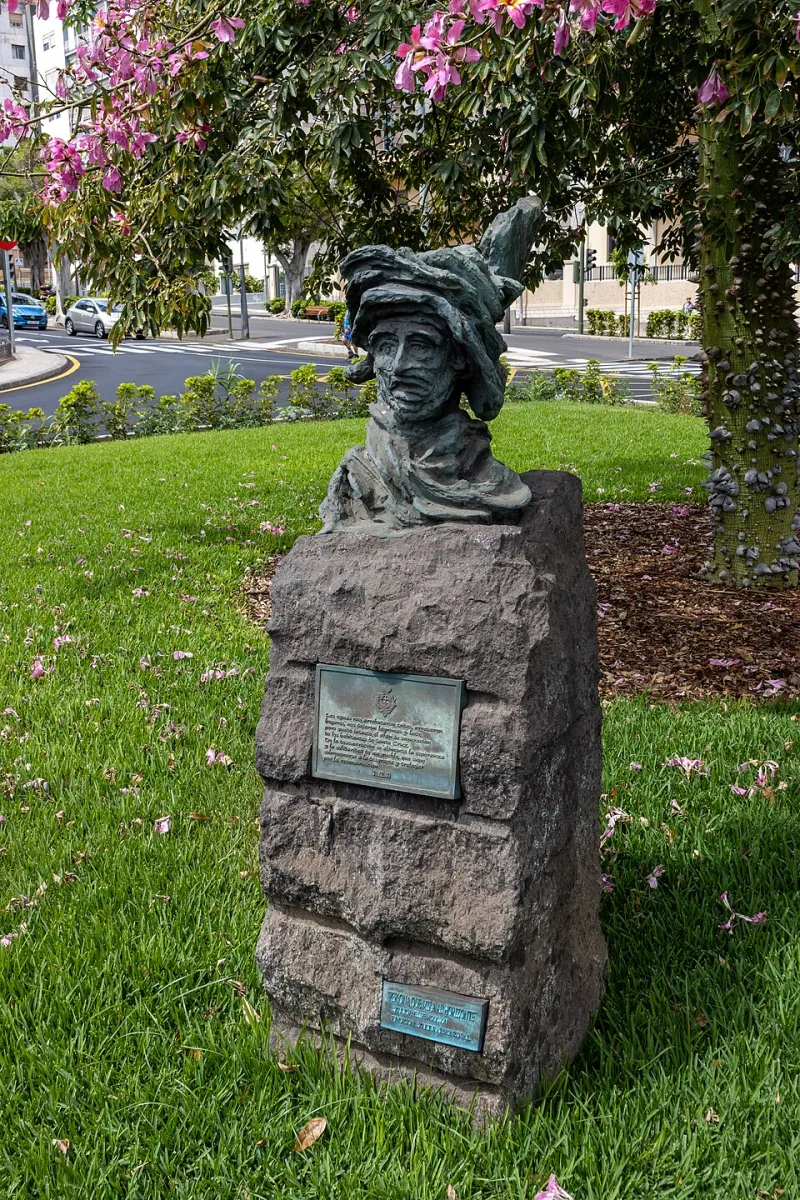
Photo: Photograph by Mike Peel (www.mikepeel.net)., CC BY-SA 4.0, via Wikimedia Commons
You wake up on a Tuesday, reach for your phone the way you always do, and scroll to the channel, the account, the feed you've checked basically every day for the last three years. Nothing new. You check again on Wednesday. Still nothing. By Friday, something subtle has shifted in your chest — a low-frequency hum of unease that doesn't quite make sense, because you've never actually met this person.
Welcome to the parasocial glitch.
It's one of the stranger emotional experiences the internet has manufactured: that hollow, slightly embarrassing feeling when a creator you love goes dark, pivots hard in a direction you don't recognize, or simply stops being who you thought they were. It sits somewhere between grief and confusion, and the fact that it feels disproportionate doesn't make it any less real.
The Relationship That Was Never Mutual
Here's the thing about parasocial relationships — they're not a bug in how we process media. They're a feature of human psychology that the internet just turbocharged.
The term itself has been around since the 1950s, coined by sociologists Donald Horton and Richard Wohl to describe the one-sided intimacy people develop with television personalities. But what was once a slow burn — built over weekly episodes and magazine covers — has become something far more accelerated in the age of daily uploads, Instagram Stories, and 3 a.m. Twitter threads.
"The architecture of modern content platforms is specifically designed to simulate reciprocity," says Dr. Maya Osei, a media psychology researcher based in Chicago. "A creator talks directly to camera, they respond to comments, they share their morning routine. Your brain receives all the social cues of a friendship, even though the feedback loop is completely asymmetrical."
In other words, you've been doing the emotional labor of maintaining a relationship that only exists on your end. And when that relationship suddenly changes or disappears, your brain registers it as a genuine social loss.
The Pivot as Betrayal
Disappearance is one thing. But sometimes the glitch isn't silence — it's transformation.
Fans of the YouTube beauty community got a version of this in the early 2020s when a wave of creators abruptly shifted from makeup tutorials to political commentary, wellness content, or disappeared behind paywalls. The comments sections filled up with a specific flavor of hurt: I don't even recognize you anymore.
That reaction might look like entitlement from the outside. But psychologists say it maps onto something more nuanced — the violation of an implicit contract.
"When we follow someone consistently, we build a mental model of who they are," explains Dr. Osei. "Their values, their humor, their aesthetic. When that model gets shattered, it triggers something similar to cognitive dissonance. We feel destabilized, and that discomfort often reads as betrayal."
Lauren, a 28-year-old from Nashville, experienced this when a gaming creator she'd followed for five years abruptly stopped posting content and launched a podcast about personal finance. "It sounds ridiculous out loud," she admits, "but I genuinely felt like someone I cared about had changed beyond recognition. I kept checking back hoping the old content would return. It never did."
The Always-On Expectation
Part of what makes the glitch so disorienting is that the internet has quietly normalized a kind of constant availability that no human being can actually sustain.
When a creator posts daily, their audience calibrates to that rhythm. The feed becomes a heartbeat. Miss a few beats and people start checking for a pulse. This isn't cruelty on the audience's part — it's just pattern recognition, the same cognitive process that makes you notice when your usual barista isn't at the coffee shop.
But the stakes feel higher online, because the content isn't just entertainment — it's become part of how people structure their days, process their emotions, and feel less alone. Especially post-2020, when so many Americans were already socially isolated, the creators who showed up consistently became, for many people, one of the most reliable presences in their lives.
"There's real comfort in that consistency," says Dr. Osei. "And real disorientation when it breaks."
Tuning Back In vs. Letting Go
So what do you do with the glitch when it hits?
First, give yourself permission to feel weird about it without spiraling into shame. The emotion is real even if the relationship was always one-directional. You're not broken for caring.
Second — and this is the harder one — recognize the limits of what you actually know about a creator. The version you've been watching is a curated signal. It's real in some ways, but it's also a broadcast, not a confession. The person behind the camera has a whole internal life that the algorithm will never transmit.
Creators who've come back from long hiatuses often talk about the pressure of return — the weight of an audience that has frozen them in time, expecting the exact same signal they left on. "It's like people want you to be a recording," one creator wrote in a Substack post that went quietly viral last year. "Not a person."
The healthiest version of fandom, psychologists suggest, is one where you hold the connection loosely enough to let the person on the other end change — or go quiet — without it destabilizing your sense of self.
Static Isn't Always the End
Here at Riousfky, we spend a lot of time with signals — the ones hiding in the noise, the ones that flicker out unexpectedly, the ones that come back changed. The parasocial glitch is one of the most honest signals the internet produces, because it tells you something true: you found something that mattered, something that genuinely made your days feel different.
That's not embarrassing. That's just what good content does.
The trick is remembering that the signal was always coming from somewhere real — a person, not a product — and that people, unlike algorithms, are allowed to go dark sometimes.
Tune back in when they return. Or find a new frequency. Either way, the static between transmissions is part of the experience now. Might as well learn to sit with it.