The Warm Signal: When Your Favorite Creator Starts Feeling Like Family
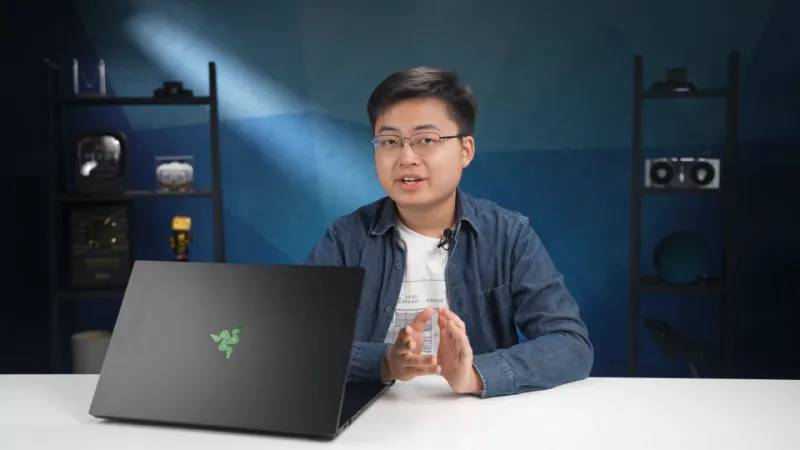
Photo: 极客湾Geekerwan, CC BY 3.0, via Wikimedia Commons
You know the feeling. You're watching someone's video — maybe it's a streamer mid-campaign on Twitch, maybe it's a creator doing a 'day in my life' vlog — and something shifts. They say something small and offhand that you've thought but never said out loud. They reference an inside joke from six months ago that you remember perfectly. They look directly into the camera and say, you guys are the only ones who actually get this. And for a moment, it genuinely feels like they're talking to you.
They are not talking to you. They're talking to a broadcast. But the broadcast is designed to feel like a conversation — and that distinction is worth sitting with.
The Architecture of Artificial Closeness
Parasocial relationships — one-sided emotional bonds where an audience member feels genuine connection to a public figure who doesn't know they exist — are not new. People had parasocial relationships with Johnny Carson, with radio DJs, with soap opera characters. The phenomenon has been documented in psychology literature since the 1950s.
What's new is the infrastructure built specifically to deepen and exploit those bonds.
Today's creator economy runs on intimacy as a product. The language is deliberately domestic: the fam, the community, my people. Creators share their mental health struggles, their relationship drama, their childhood traumas — not necessarily because they're processing in public, but because vulnerability is one of the most effective engagement tools available. The comment section fills up. The watch time climbs. The algorithm rewards the disclosure.
This isn't cynicism for its own sake. Many creators are genuinely sharing. The problem is that the platforms have built a system where genuine sharing and performed sharing produce identical outputs, and audiences have no reliable way to tell the difference.
Insider Language and the Illusion of the Inner Circle
One of the more elegant manipulation tools in the modern creator's kit is the use of insider language — references, phrases, and callbacks that only long-term followers will recognize. On the surface, this seems like a natural consequence of any ongoing community. Of course a five-year subscriber recognizes the jokes that a new viewer doesn't. That's just... continuity.
But watch how this language gets deployed strategically. It shows up in merchandise drops as a signal of membership. It gets used in paid tiers on Patreon as a barrier to the "real" community. It creates a hierarchy of devotion — the casuals, the regulars, the real fans who've been here since the beginning — and that hierarchy is financially productive. The deeper into the inner circle you want to go, the more you pay, the more you watch, the more you engage.
Twitch has built an entire economy around this. Channel subscriptions, custom emotes, subscriber-only chat modes — all of it creates a tiered intimacy structure that feels organic but is literally a product feature. You're not getting closer to a person. You're purchasing access to a closer simulation of one.
When 'Connection' Becomes a Platform Strategy
The streaming platforms themselves — not just individual creators — have gotten extraordinarily good at leveraging parasocial psychology at scale.
Netflix's "watch party" features, Spotify's personalized year-end summaries, YouTube's "we thought you'd like this" framing — all of it is designed to make an algorithm feel like a friend who knows you. The platform doesn't know you. It knows your data. But the emotional experience of receiving a good recommendation from a platform can feel surprisingly similar to receiving one from a person you trust, and the companies know this.
Podcasts have pushed this further than almost any other format. The intimate audio experience — someone's voice directly in your ears, often for hours at a time — creates neurological conditions that are genuinely conducive to parasocial bonding. Studies have found that regular podcast listeners report feeling closer to their favorite hosts than to some of their actual acquaintances. The hosts, to their credit, are often aware of this. The more ethically thoughtful ones talk about it openly. But the ones who weaponize it — who use that manufactured closeness to sell supplements, crypto, or political allegiances — are operating in something much darker.
The Community That Isn't Quite Yours
There's a particular loneliness embedded in parasocial fandom that doesn't get talked about enough. You spend hundreds of hours with someone's content. You feel like you know them. You feel, in some real sense, that you're part of something — a community, a movement, a vibe. And then the creator goes on a break, or pivots their content, or says something that breaks the spell, and you realize that the community you were part of was always contingent on one person's output.
The Discord server goes quiet. The subreddit splinters. The inside jokes stop being updated. And you're left with the strange grief of losing something that was never quite real in the way you experienced it.
This isn't an argument against parasocial connection entirely. Human beings are wired to form bonds through narrative and voice and consistent presence, and content creators provide all three. Some of those bonds are genuinely nourishing. Feeling less alone because someone's podcast made you laugh on a Tuesday morning is real, even if the host doesn't know your name.
The question is whether you're aware of the engineering underneath the warmth. Whether you know that the "just talking to you" energy was, at some level, tuned to hit exactly the frequencies that would keep you listening.
Tuning In Consciously
None of this means you should stop watching your favorite streamers or delete your podcast app. It means paying attention to the signal and the noise simultaneously — enjoying the content while staying curious about what it's designed to make you feel and do.
Ask yourself occasionally: Does this creator's content make me feel more capable of engaging with the world, or more dependent on their next upload? Is the "community" they've built a place where I have actual relationships, or is it an audience we're all performing membership in? When they drop a product or an opinion, does my gut reaction come from genuine agreement, or from loyalty to someone who feels like a friend?
The warmth is real. The signal is engineered. Both things are true, and you can hold them at the same time. That's the strange frequency of parasocial life in 2024 — and the first step to navigating it clearly is just admitting you're tuned in.