They Noticed You: The Strange Electricity of a Creator Who Looks Back
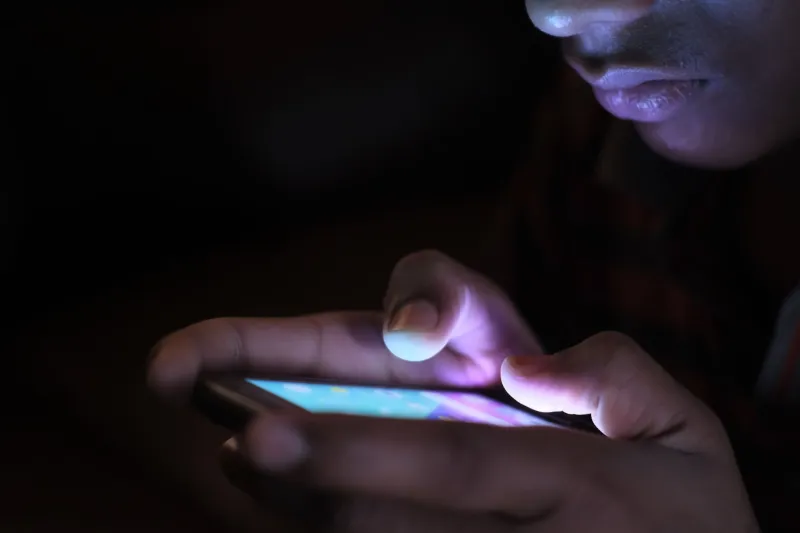
There's a specific kind of vertigo that hits when your favorite creator — the one you've watched for three years, whose upload schedule you know by heart, whose coffee order you could probably guess — suddenly acknowledges you exist.
Maybe they liked your comment. Maybe they quoted your tweet in a video. Maybe they replied to your DM with something that felt, just for a second, like it was actually meant for you. The screen between you and them, the one you'd quietly accepted as permanent, went briefly transparent.
And then what?
The One-Way Signal Gets Complicated
Parasocial relationships aren't new. Fans have been projecting intimacy onto distant figures since the first movie star smiled from a magazine cover. But the architecture of modern content platforms does something the old model never could: it simulates proximity. Creators talk into cameras like they're talking to a friend. They share their apartments, their anxieties, their 2 a.m. spirals. The whole aesthetic is closeness.
So when that closeness suddenly appears to be returned — when the signal bounces back — something misfires in your brain. You weren't built for this. Neither was the relationship.
The emotional experience isn't pure joy. It's more like static. There's excitement, sure. But underneath it is something harder to name — a low-grade alarm, like you've stepped through a door that wasn't supposed to open.
The Machinery Behind the Moment
Here's the part nobody really wants to talk about: most of those moments aren't accidents.
Creators, especially at mid-tier and above, are coached on engagement strategy. Liking a comment from a longtime follower isn't random generosity — it's a calculated signal that keeps people coming back. Replying to a DM during a growth push creates word-of-mouth. Shouting out a fan account during a merch launch costs nothing and buys loyalty that's genuinely hard to quantify.
None of that means the creator doesn't like their fans. Most of them do. But the gesture of recognition — the thing that felt personal — often exists inside a system designed to produce exactly that feeling at scale. You were seen. You were also a data point.
Algorithms compound this. Platforms actively reward creators who generate personal-feeling engagement, which means the incentive structure pushes everyone toward manufacturing intimacy. The like you got might have been genuine. It might have been a community manager running the account. It might have been timed to a campaign you never knew existed. You have no way to know, and that uncertainty is part of what makes the whole thing so disorienting.
When the Fantasy Breaks Open
Some fans describe the moment of perceived reciprocation as a kind of rupture. Up until then, the relationship had rules. You watched, they performed, the distance was safe. When the distance collapses — even briefly, even falsely — the rules stop working.
Some people chase the feeling. They start commenting more, posting more, engineering situations where the creator might notice them again. The community becomes secondary to the pursuit of that one direct hit of recognition. It's not pathological in most cases. It's just human. Being seen by someone you admire is one of the oldest wants there is.
Other people pull back. The moment of contact felt too real, or not real enough, or somehow both at once. The illusion they'd been comfortable living inside now has a seam they can't stop seeing. They keep watching, but something's different. The warmth has a faint aftertaste.
A smaller group gets genuinely confused about what the relationship is. They start reading the creator's content as communication directed at them specifically. They interpret upload timing, video topics, even thumbnail expressions as messages. This isn't the norm, but it's not as rare as the internet pretends — and it almost always traces back to a moment when the barrier felt like it dropped.
The Creator's Side of This Is Weird Too
It's worth sitting with the fact that this is a strange position for creators to occupy. They built audiences by being relatable, accessible, present. And now they're at the center of thousands — sometimes millions — of one-sided emotional investments, trying to be authentic while also managing the impossible math of scale.
Many creators talk about the exhaustion of parasocial dynamics in their own communities. The fans who feel entitled to access because they've given years of attention. The expectation that watching someone equals knowing them. The way a casual reply can accidentally become someone's most important relationship.
Some creators handle this by being deliberately distant — keeping the fourth wall intact, never engaging in ways that could be misread. Others lean into the intimacy because it's what their platform rewards, and then find themselves trapped in a persona that requires constant emotional labor to maintain.
There's no clean answer here. The system produces this dynamic and then leaves both parties to navigate it without a manual.
Tuning Into What's Actually There
The parasocial glitch — that moment when the signal seems to reverse direction — reveals something real about what we're all doing on these platforms. We're not just consuming content. We're building relationships with people who don't know us, inside systems designed to make that feel like it's mutual.
The feeling of being noticed isn't fake. The emotional response is entirely genuine. What's uncertain is the thing on the other end of it — whether the recognition was real, engineered, or some third thing that doesn't have a word yet.
Maybe that's okay. Maybe part of being a fan in 2025 is learning to hold the uncertainty without resolving it. You can appreciate the moment of contact without needing to know exactly what it was. You can let the signal reach you without pretending to know where it came from.
Or you can keep watching, keep commenting, and wait to see if they look back again.
Most people do.